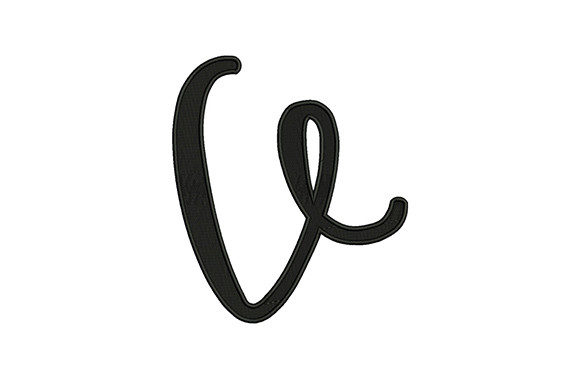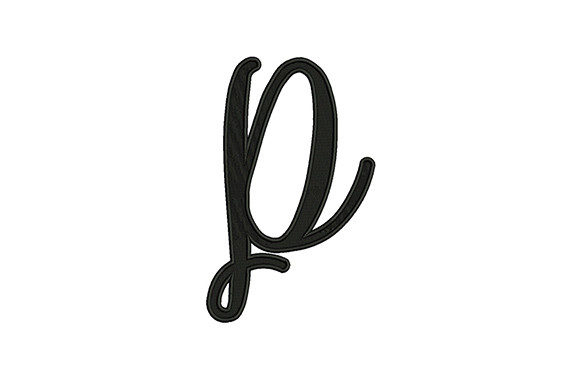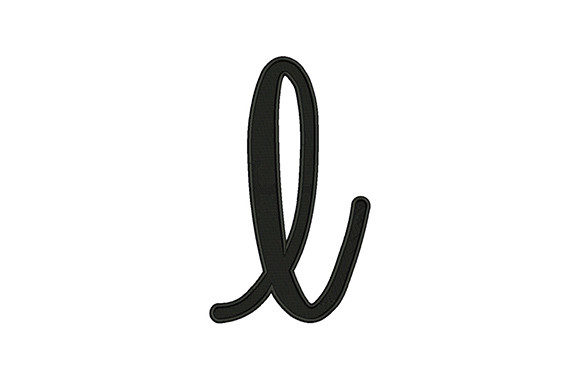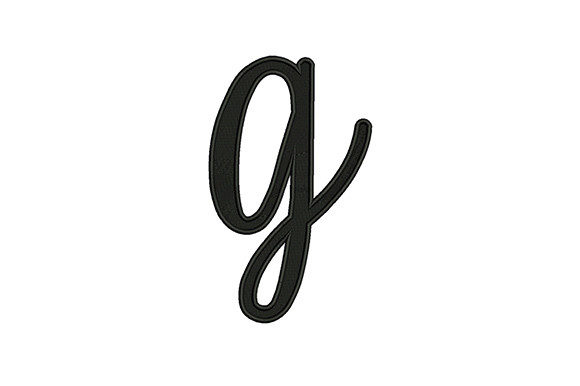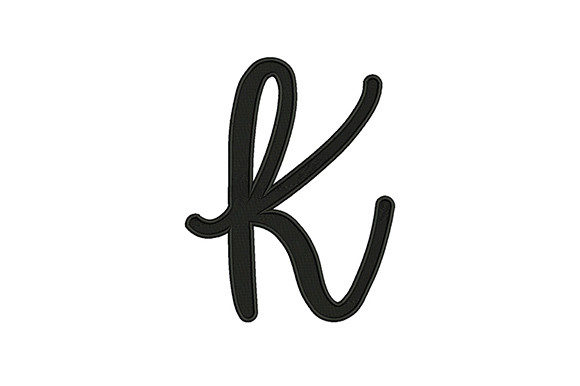
Alphabet K
A Versatile Design for Small Business Merchandise and Branding
As an experienced embroidery designer, I've reviewed countless machine embroidery designs for use in small business merch and branded products. Alphabet K stands out as a thoughtful, adaptable design that can elevate various commercial applications. Whether you're creating patches, aprons, or custom apparel, Alphabet K offers a balance of elegance and functionality that suits a wide range of creative needs.
First Impression: A Blend of Elegance and Practicality
The first thing that catches my eye about Alphabet K is its clean, elegant appearance. The design feels professional yet approachable, making it ideal for both branding and personalized gifts. Its simplicity allows it to fit seamlessly into a variety of visual styles—whether you're aiming for a modern aesthetic or something more classic.
What really impresses me is the versatility of the design. It doesn't feel too bold or too subtle, which makes it easy to integrate into different product types without overwhelming the overall look. This neutrality is especially valuable when working with small businesses that want to maintain a cohesive brand identity across multiple merchandise lines.
Real-World Use Cases for Alphabet K
Alphabet K is well-suited for a range of commercial embroidery projects. Here are some key areas where it excels:
- Embroidered Patches: The design works beautifully on small patches, adding a touch of sophistication to uniforms, caps, or accessories.
- Staff Uniforms: As a chest logo or sleeve detail, Alphabet K adds a professional touch without being distracting.
- Apron Embroidery: The design can be used as a subtle accent on aprons, complementing the functional nature of the product.
- Cap Embroidery: When placed on the front of caps, Alphabet K becomes a stylish identifier for your brand or business.
- Tote Bag Design: The design can serve as a decorative element on tote bags, enhancing their appeal while maintaining a clean look.
- Product Packaging Accents: Alphabet K can be used as a subtle branding element on packaging, helping to reinforce brand recognition.
- Custom Apparel: Whether it's a work shirt, hoodie, or dress, Alphabet K provides a versatile option for personalization.
- Etsy Branding: For handmade brands, this design can be a valuable asset in building a consistent and recognizable brand identity.
Its adaptability makes Alphabet K a great choice for both small businesses and larger-scale commercial embroidery projects.
Considerations for Commercial Use
While Alphabet K is a strong contender for many applications, there are a few considerations to keep in mind before using it in production:
- Small Patch Sizes: The design may need to be scaled down for use on small patches, so ensure it maintains clarity and legibility.
- Curved Surfaces: If applying the design to curved surfaces like caps or tote bags, test how it performs in terms of stitch density and alignment.
- Tiny Lettering: Be cautious with the lettering size, as it may become difficult to read on smaller items.
- High Stitch Density: The design’s intricate details require careful attention to stitch density to avoid over-stitching or thread breakage.
- Textured Fabric: On fabrics with texture, the design may not appear as crisp as on smoother surfaces, so test it on real fabric before mass production.
- Dark Uniforms: Ensure that the thread color provides sufficient contrast against dark-colored garments or materials.
- Frequent Washing: If the design will be used on items that undergo frequent washing, consider using durable threads and proper stabilizers to maintain quality.
These factors highlight the importance of testing and preparation before committing to a large-scale production run.
Impact on Brand Identity and Customer Trust
Alphabet K has the potential to significantly enhance a brand's identity and customer trust. Its clean, elegant design aligns well with a professional image, which is crucial for small businesses looking to establish credibility.
By incorporating Alphabet K into your product line, you create a consistent visual language that customers can easily recognize. This consistency reinforces brand identity and helps build long-term customer loyalty. Additionally, the design’s versatility allows it to be adapted to different marketing channels, from social media to physical signage, ensuring a unified brand presence.
From a customer perspective, the design's professionalism and clarity contribute to a sense of trust and value. When customers see a well-crafted embroidered element on a product, they are more likely to perceive it as high-quality and worth the investment.
Practical Notes for Embroidery Designers
If you're an embroidery designer or small business owner considering Alphabet K, here are some practical tips to help you achieve the best results:
- Test in Black and White First: Before finalizing the design, test it in black and white to assess its clarity and structure.
- Check Small Patch Size Compatibility: Ensure the design works at smaller scales, especially if it will be used on patches or caps.
- Review Thread Color Contrast: Choose thread colors that provide optimal visibility against the background material.
- Inspect Spacing and Alignment: Make sure the design elements are evenly spaced and aligned for a polished finish.
- Confirm Hoop Size: Verify that the design fits within your hoop size to avoid stitching issues during production.
- Use Proper Stabilizer: Select the right type of stabilizer based on the fabric type to ensure the design stays secure during stitching.
- Create a Printable Mockup: Generate a mockup for client approval to ensure the design meets expectations before production.
- Compare with Other Design Assets: Ensure Alphabet K complements other design assets in your brand’s visual toolkit.
- Confirm Commercial Licensing: Always verify that the design is licensed for commercial use to avoid legal complications.
Following these steps will help you maximize the potential of Alphabet K and ensure a successful outcome for your embroidery projects.